510 Thread Battery Guide for CBD Vape Brands
A 510 thread battery is one of the most widely used power solutions for oil cartridges and vape hardware. For CBD brands, distributors, and product developers, choosing the right battery affects compatibility, vapor consistency, user experience, and long-term product reliability.
The term “510 thread” refers to the connection between the battery and cartridge. A compatible 510 battery can support different cartridge designs, voltage settings, activation methods, and branding requirements. However, not every battery is suitable for every oil formulation or cartridge structure.
This guide explains the key specifications to review when selecting a 510 thread battery for CBD vape products.
What Is a 510 Thread Battery?
A 510 thread battery is a rechargeable vape battery designed to connect with a compatible 510 cartridge. The connection uses a standardized threaded interface, allowing brands to pair a battery with different cartridge formats.
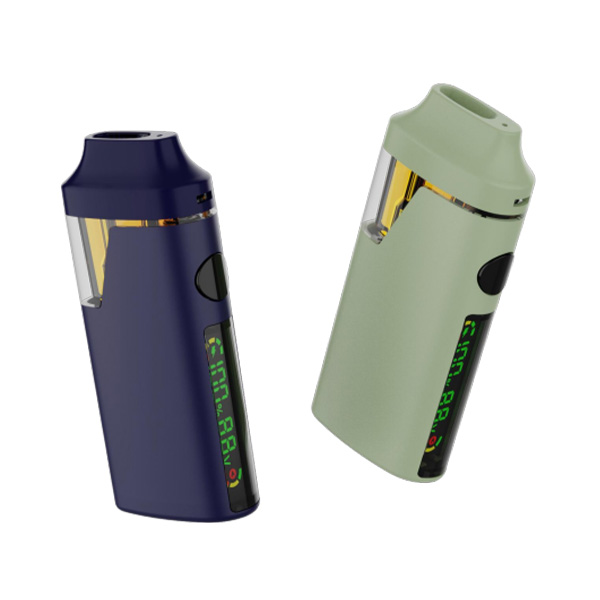
Most 510 batteries include a USB charging port, a firing button or draw activation, and one or more voltage settings. Some models also include preheat functionality, battery indicators, adjustable airflow, or custom housing designs.
For product developers, the connection standard is only the starting point. The battery must also match the cartridge resistance, oil viscosity, heating element, voltage range, and intended user experience.
6 Specifications to Compare Before Buying
1. Thread and Cartridge Compatibility
The first step is confirming that the battery and cartridge use the same 510 connection. The thread must fit securely without wobbling, cross-threading, or leaving a visible gap.
Brands should also check:
- Thread depth and connector quality
- Contact pin alignment
- Cartridge diameter
- Oil tank size
- Airflow design
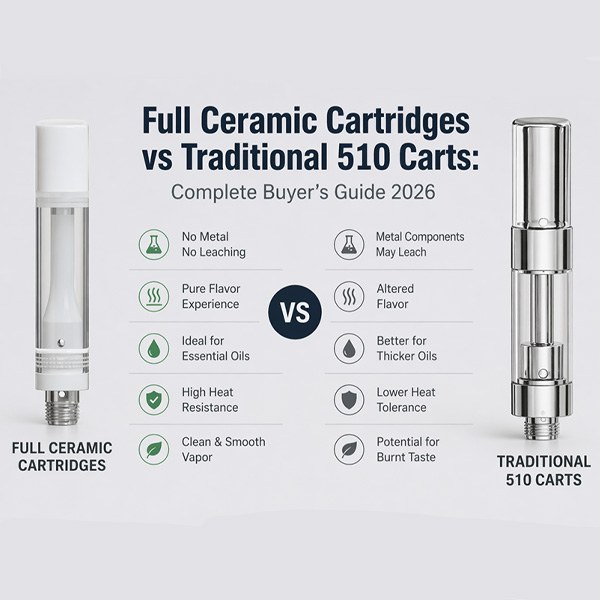
- Compatibility with ceramic or other heating elements
A stable connection helps reduce inconsistent firing and improves the overall fit and finish of the finished product. You can compare compatible hardware through the DANK SMOKE cartridge collection.
2. Voltage Range and Preheat Function
Voltage affects how quickly the heating element reaches operating temperature. A higher voltage may produce more vapor, while a lower voltage may be better suited to smooth, controlled use.
A variable voltage battery gives brands more flexibility when working with different cartridges and oil formulations. A preheat function can also help warm thicker oil before normal operation.
A suitable voltage range should be selected through product testing. It should not be based only on the highest available setting. Excessive voltage may increase heat, affect flavor, or place unnecessary stress on the cartridge.
3. Battery Capacity
Battery capacity is usually measured in milliamp hours, or mAh. A higher capacity can provide longer use between charges, but it may also increase the size and weight of the device.
The right capacity depends on:
- Cartridge size
- Expected usage frequency
- Device dimensions
- Heating resistance
- Charging requirements
- Target retail positioning
For example, a compact device may prioritize portability, while a larger branded device may prioritize operating time and a larger display. DANK SMOKE’s battery product range includes different formats for brands with different hardware requirements.
4. Activation Method
510 batteries commonly use one of three activation methods:
- Button activation
- Inhale activation
- Dual activation
Button activation gives users direct control over the heating cycle. Inhale activation creates a simpler user experience, while dual activation offers flexibility for different product markets.
Brands should also evaluate whether the device includes a five-click on/off function, firing-time protection, battery-level indication, and accidental-activation prevention.
5. Cartridge and Coil Matching
A battery should be tested with the cartridge and coil it is designed to power. Ceramic coils, dual-coil systems, and other heating structures may respond differently to the same voltage.
Before approving a battery for production, brands should test:
- Initial draw performance
- Vapor consistency
- Preheat timing
- Oil leakage risk
- Heating temperature
- Flavor stability
- Battery performance over repeated cycles
A battery and cartridge should be developed as a complete system. Selecting each component separately can create compatibility problems later in the project.
6. Charging and Protection Features
Charging design is an important part of product quality. USB Type-C charging is now common because it is convenient and widely supported, but the charging circuit still needs to be evaluated.
Brands should review:
- Overcharge protection
- Short-circuit protection
- Overheating protection
- Charging time
- Charging indicator
- Connector durability
- Recommended charging accessories
Le FDA’s vape battery safety guidance recommends following the manufacturer’s charging and handling instructions, using compatible batteries, and charging devices on a clean, visible surface away from flammable materials.
For manufacturers developing complete electronic vaping devices, UL Solutions’ UL 8139 information explains how electrical, heating, battery, and charging systems can be evaluated for vaping hardware.
510 Battery or Disposable Vape: Which Format Is Better?
A 510 battery and a disposable vape serve different product strategies.
A 510 battery can be reused with compatible cartridges. This gives brands more flexibility for cartridge selection, product customization, packaging, and replacement programs.
A disposable vape combines the battery, cartridge, and oil system into one finished unit. It can simplify the user experience, but the complete device must be developed and tested as a single product.
A 510 battery may be a better fit for brands that want:
- Multiple cartridge options
- Replaceable hardware
- Variable voltage
- Reusable device positioning
- Custom battery shells
- Long-term product families
A disposable device may be more suitable for brands prioritizing a compact, ready-to-use format. The choice depends on the target market, regulations, oil formulation, packaging plan, and distribution model.
How to Build a Better 510 Vape Hardware Program
A reliable 510 product line usually includes more than one battery model. Brands may develop a compact entry-level model, a variable-voltage model, and a premium model with additional controls or display features.
A practical development process includes:
- Define the cartridge and oil specifications.
- Select the required voltage and resistance range.
- Choose the battery capacity and device size.
- Test the battery with the intended cartridge.
- Review charging and protection functions.
- Confirm housing materials and branding options.
- Complete quality checks before mass production.
- Prepare packaging, instructions, and market-specific compliance documents.
DANK SMOKE provides batteries, cartridges, disposable CBD vape devices, and charger solutions for brands developing complete vape hardware programs. The full product catalog can be used to compare the available product categories.
Why OEM Quality Control Matters
For an OEM or private-label project, the battery is part of the brand experience. Differences in firing response, charging performance, shell finish, or cartridge compatibility can affect customer satisfaction and repeat orders.
A professional supplier should be able to discuss:
- Prototype development
- Battery and cartridge compatibility
- Shell and coating options
- Firmware or control requirements
- Charging protection
- Quality inspection
- Packaging customization
- Production lead times
It is also important to confirm which specifications are fixed and which can be customized. A product specification sheet should include the battery capacity, voltage range, resistance range, charging method, activation method, dimensions, materials, and testing requirements.
Questions fréquemment posées
What does 510 thread mean?
510 thread describes the threaded connection used between many vape batteries and cartridges. A battery and cartridge must use compatible 510 specifications to connect and operate correctly.
Is a higher mAh battery always better?
No. A higher mAh rating may provide longer operating time, but it can also increase the size and weight of the device. Capacity should be matched to the cartridge, heating system, device design, and intended market.
What is a preheat function on a vape battery?
A preheat function briefly warms the heating system before normal use. It may be useful when working with thicker oils, but the timing and temperature should be tested with the final cartridge.
Can one 510 battery work with every cartridge?
No. Thread compatibility alone does not guarantee full compatibility. Brands should also test cartridge size, resistance, airflow, oil viscosity, voltage range, and contact alignment.
Can DANK SMOKE customize 510 batteries?
DANK SMOKE’s product range is designed for global vape and CBD hardware projects. Brands can contact the DANK SMOKE team to discuss battery specifications, cartridge matching, housing design, and OEM requirements.
Final Checklist for Brands
Before approving a 510 thread battery, confirm:
- The thread fits the selected cartridge.
- The voltage range matches the heating element.
- The battery capacity fits the product size.
- The activation method suits the target market.
- Preheat timing has been tested.
- Charging and protection features are documented.
- The battery has been tested with the final cartridge.
- Packaging and instructions match the target market.
- Local nicotine, tobacco, vaping, and cannabis regulations have been reviewed.
A well-matched 510 thread battery can give CBD brands a flexible foundation for cartridge systems, private-label products, and long-term hardware programs. The best results come from testing the battery, cartridge, oil, and charging system together before production.